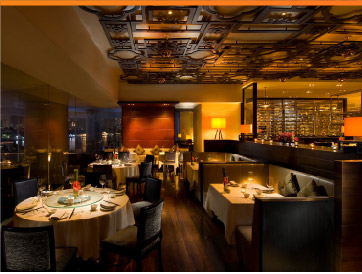
In the hospitality industry, every square metre of your floor plan is real estate that must earn its keep. Many restaurant owners focus heavily on the menu and the service, but they often overlook the most powerful driver of daily revenue: The Science of Seating.
At Petra Group, we don’t just arrange furniture; we engineer environments. A “Design-First” layout isn’t just about choosing pretty chairs—it’s about optimizing the flow of humans and capital. This guide explores how a professional Restaurant Interior Design strategy can significantly boost your table turnover and bottom line.
1. The Psychology of the “Anchor” vs. “Social” Zones
Not all seats are created equal. A customer’s mood—and how long they stay—is dictated by where they are placed.
The Anchor Zone (The “Linger” Spots)
These are your booths and banquette seats, usually located against walls.
-
The Science: People feel psychologically secure with a “solid” back.
-
The Impact: Customers in these seats stay longer and spend more on desserts and cocktails.
-
Strategy: Best for high-margin, fine-dining experiences.
The Social Zone (The “High-Turnover” Spots)
Central communal tables and bar-height seating.
-
The Science: Being in the “middle of the action” creates a sense of transience.
-
The Impact: These seats naturally encourage faster eating and quicker exits.
-
Strategy: Perfect for lunch rushes and high-volume cafes looking to maximize Table Turnover.
2. Traffic Flow: The Invisible Sales Killer
If your servers are constantly “dodging” customers or getting stuck in bottlenecks, your service slows down. Slow service equals slow table turnover.
Petra Group’s Layout Rules for 2026:
-
The 45cm Rule: Ensure at least 45cm of space between chair backs when occupied to allow servers to glide through.
-
The Kitchen-to-Table Path: The path from the Commercial Kitchen to the furthest table should be as straight as possible. Every corner turned is a second lost.
-
The Point of Sale (POS) Placement: Never place your payment station near the entrance or the kitchen door to avoid “clogs.”
3. Capacity vs. Comfort: Finding the “Sweet Spot”
A common mistake is cramming as many tables as possible into a room. While it looks good on paper, it often backfires.
| Layout Style | Table Density | Customer Perception | Ideal Turnover Rate |
| Crammed | Extremely High | “Noisy & Stressful” | Fast (but low repeat visits) |
| Spacious | Low | “Exclusive & Relaxed” | Slow (High average spend) |
| Petra Optimized | Balanced | “Energetic & Efficient” | High (Optimized ROI) |
Using 3D Design Visualization, we test various configurations to find the maximum number of seats that still allow for a premium dining experience.
4. The Power of Modular Seating
In 2026, the most successful Australian venues use Modular Furniture. Fixed seating is a risk because it doesn’t adapt to group sizes.
-
Two-Tops are King: Small tables for two can be easily pushed together for a group of six. A fixed table for six that only has two people sitting at it is “wasted” revenue.
-
Versatile Heights: Mixing standard dining heights with bar-height tables breaks the visual line, making a crowded room feel more open.
5. Acoustic Design: The Secret Turnover Trigger
The sound level in your restaurant directly impacts how fast people eat.
-
Fast Tempo: Hard surfaces (concrete floors, metal chairs) reflect sound. Higher noise levels actually encourage faster chewing and quicker departures—ideal for fast-casual venues.
-
Slow Tempo: Acoustic panels and Biophilic Elements (Internal Link to Blog 1) absorb sound, encouraging guests to relax and order that second bottle of wine.
Frequently Asked Questions (FAQ)
Q: How can I increase table turnover without making customers feel rushed?
A: It’s all about subtle cues. Using faster-paced music, slightly more upright (but comfortable) chairs, and a streamlined payment process can increase turnover naturally without the guest ever feeling pushed.
Q: What is the ideal percentage of floor space for dining vs. kitchen?
A: Generally, the “Golden Ratio” is 60% for the dining area and 40% for the kitchen and amenities. However, if you have a heavy takeaway component, we can adjust this to favor production.
Q: Does the type of furniture affect how long people stay?
A: Absolutely. Harder surfaces like wood or metal stools signal a shorter stay (20-40 mins), while upholstered chairs and booths signal a long-form dining experience (60-90+ mins).
Q: Can Petra Group help me redesign my existing layout?
A: Yes. We offer “Layout Audits” where we analyze your current floor plan and provide a 3D-rendered solution to improve flow and capacity without a full renovation.
Q: Is outdoor seating worth the investment for table turnover?
A: Yes. Outdoor seating often acts as an “express” zone. When paired with high-quality Outdoor Cafe Furniture, it increases your total capacity and attracts different customer demographics.
Conclusion: Design is Your Best Investment
Your seating layout is a silent engine. When designed correctly, it powers your profitability by ensuring that every guest has a great experience while your staff operates at peak efficiency.
At Petra Group, we combine architectural expertise with a deep understanding of hospitality operations. We don’t just give you a floor plan; we give you a strategy for success.
Ready to maximize your revenue per square metre?
Contact our Design Strategists today to start your layout optimization.
