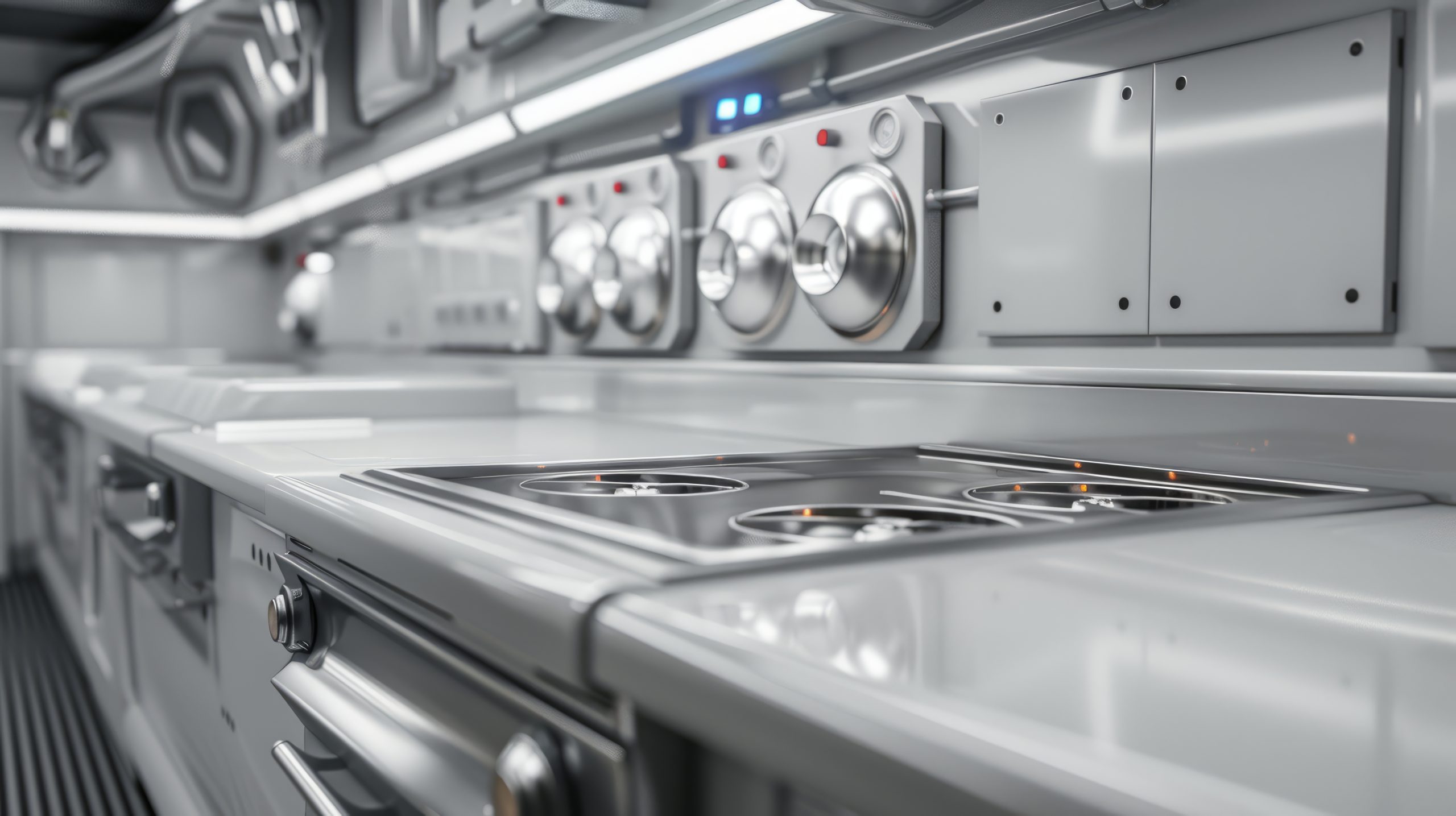
Gas vs. Electric cooking equipment is one of the most debated topics among Australian hospitality owners. With rising energy costs and a growing focus on sustainability, the choice you make impacts your kitchen’s speed, your menu’s quality, and your monthly utility bills. Understanding the pros and cons of each is essential for protecting your bottom line and ensuring your kitchen can handle the heat of a busy lunch rush.
1. The Legal Steps to Choosing Gas vs. Electric Cooking Equipment
Before you purchase any heavy-duty appliances, you must ensure your premises can support them. Australia has strict safety and installation standards that vary depending on your energy source.
-
Gas Safety Regulations: All gas appliances must be installed by a licensed gas fitter and comply with AS/NZS 5601.
-
Electrical Capacity: Commercial electric kitchens often require 3-phase power. You must ensure your building’s switchboard can handle the load.
-
Ventilation Standards: Both types of equipment require specific exhaust hood flow rates to comply with Australian health and safety codes.
2. Design and Layout for Gas vs. Electric Cooking Equipment
In the Australian market, your energy choice dictates your kitchen’s physical layout. Gas ranges require fixed gas lines and specific clearance from combustible surfaces, while induction cooktops offer more flexibility. To ensure your kitchen is both safe and efficient, it is wise to consult specialists in restaurant & cafe fitouts australia. They ensure that your chosen energy source is integrated seamlessly into your floor plan while meeting all local council compliance standards.
3. Estimated Operating Costs & Efficiency Overview
When comparing gas vs. electric cooking equipment, you must look beyond the initial purchase price to the long-term running costs.
| Comparison Factor | Gas Equipment | Electric (Induction) | Priority Level |
| Initial Purchase | Generally Lower | Generally Higher | High |
| Energy Efficiency | Low (Heat Loss) | High (Direct Heat) | High |
| Maintenance | Regular Cleaning | Tech-based Repairs | Medium |
| Temperature Control | Visual Flame | Precise Digital | High |
| Kitchen Heat | Higher Ambient Temp | Cooler Environment | Medium |
4. Professional Fitouts for Gas vs. Electric Cooking Equipment
Once you have decided on your energy source, the technical build-out begins. Working with professionals who specialise in cafe fitouts australia is essential to avoid costly utility upgrades later. They provide the necessary expertise to manage:
-
Gas Line Installation: Ensuring correct pressure for high-output burners.
-
Electrical Upgrades: Installing dedicated circuits and 3-phase outlets for high-powered ovens.
-
Optimised Workflow: Placing equipment to reduce movement and heat stress for your chefs.
5. Sourcing Your Tech & Sustainability
The choice of gas vs. electric cooking equipment is increasingly influenced by “Green” initiatives in Australia.
-
Induction Technology: Many modern Australian cafés are moving to induction because it is faster, safer, and keeps the kitchen significantly cooler.
-
Energy Rebates: Check for local state government rebates for businesses switching to energy-efficient electric appliances.
-
Backup Solutions: Some owners choose a hybrid approach—gas for the primary ranges and electric for the combi-ovens and fryers.
Frequently Asked Questions (FAQ)
1. Is gas cheaper than electricity for cooking in Australia?
While gas has traditionally been cheaper, the high efficiency of modern induction electric equipment often results in lower overall energy consumption. The “bottom line” depends on your specific local energy rates and usage patterns.
2. Which is better for specific cooking styles?
Gas is often preferred for high-heat “char” cooking and wok frying. However, electric induction offers unparalleled precision for delicate sauces and high-volume poaching.
3. Can I switch from gas to electric later?
It is possible, but expensive. Switching requires significant changes to your electrical switchboard and ventilation. It is best to decide your strategy during the initial fitout phase.
