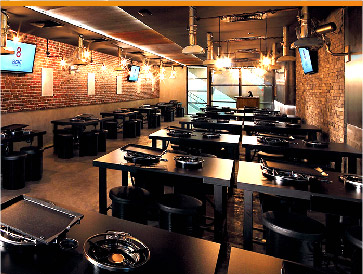
In 2026, the barrier between the chef and the diner has officially crumbled. The modern restaurant guest is no longer satisfied with food appearing from behind a swinging door; they want to see the craft, the flame, and the precision. This is “The Theater of Dining.”
At Petra Group, we believe an open kitchen is the ultimate expression of brand transparency. However, designing an exhibition kitchen requires a delicate balance. It must be a high-performance machine for the chefs while remaining a beautiful, cohesive part of the overall Restaurant & Cafe Fitouts Australia strategy.
1. Transparency as a Luxury Asset
An open kitchen sends a powerful message to your customers: “We have nothing to hide.” Seeing a clean, organized, and energetic kitchen builds immediate trust in food quality and hygiene.
The Petra Group Approach:
We design “Exhibition Zones” where the most visually exciting elements—like the charcoal grill, the pizza oven, or the plating station—are front and center. By using advanced 3D Rendering, we can ensure that these focal points align perfectly with the customer’s line of sight from their optimized seating areas, a crucial element in modern Cafe Design & Fitouts.
2. Aesthetic Equipment: The “Props” of the Theater
In a closed kitchen, equipment only needs to be functional. In the “Theater of Dining,” your equipment is a part of the decor.
-
Stainless Steel Excellence: We select high-grade, brushed or polished stainless steel that reflects light beautifully without creating glare.
-
Bespoke Ventilation: Custom-designed exhaust hoods that look like architectural sculptures rather than industrial boxes.
-
Custom Finishes: Integrating matte black or brass accents into your Commercial Kitchen Range to match an Urban Industrial Vibe.
3. Technical Challenges of Open Design
While beautiful, open kitchens present three major technical hurdles that we solve through intelligent engineering in every one of our Restaurant & Cafe Fitouts Australia:
| Challenge | The Design Solution |
| Acoustics | High-performance silencers in exhaust fans and acoustic ceiling baffles. |
| Air Quality | Precision-engineered “Air Curtains” to prevent smoke and smells from reaching the diners. |
| Lighting | Task lighting for chefs (cool white) paired with ambient lighting for the counter (warm gold). |
4. Designing the “Chef’s Counter”
The “Chef’s Counter” is the VIP seat of 2026. It allows guests to interact with the culinary team, creating a memorable experience that justifies premium menu pricing. This feature is increasingly popular in high-end Cafe Design & Fitouts across Sydney and Melbourne.
-
Materiality: Using durable but luxury materials like heat-resistant stone or thick reclaimed timber for the counter edge.
-
Ergonomics: Designing a “drop-down” plating station so customers can see the intricate details of the food being prepared without the chefs having to over-reach.
5. Merging Biophilic and Industrial Elements
To stay on trend with 2026 Cafe Designs, we often soften the hard edges of the kitchen with greenery.
-
The Herb Wall: A living wall of edible herbs located right behind the pass. It looks stunning and provides the freshest ingredients.
-
Integrated Lighting: Using LED strips under the kitchen counter to create a “floating” effect, separating the grit of the kitchen from the elegance of the dining floor.
Frequently Asked Questions (FAQ)
Q: Does an open kitchen make the restaurant too hot?
A: Not if it’s engineered correctly. We use high-velocity localized extraction and specialized HVAC systems in our Restaurant & Cafe Fitouts Australia to ensure heat never reaches the guest seating area.
Q: Is it harder to keep an open kitchen clean?
A: It requires more discipline, but we design with “Easy-Clean” surfaces and hidden storage nooks.
Q: What is the best equipment for an exhibition kitchen?
A: We recommend visually striking pieces like Wood-Fired Ovens or high-end European Ranges.
Q: Can I turn my existing closed kitchen into an open one?
A: Often, yes. We can perform a “structural audit” during the Cafe Design & Fitouts phase to see if walls can be removed to create transparency.
Q: How does an open kitchen affect seating?
A: Seats near an open kitchen have a higher “energy” but a faster turnover. We balance this with “Anchor” seating (booths) further away for those seeking a quiet meal.
