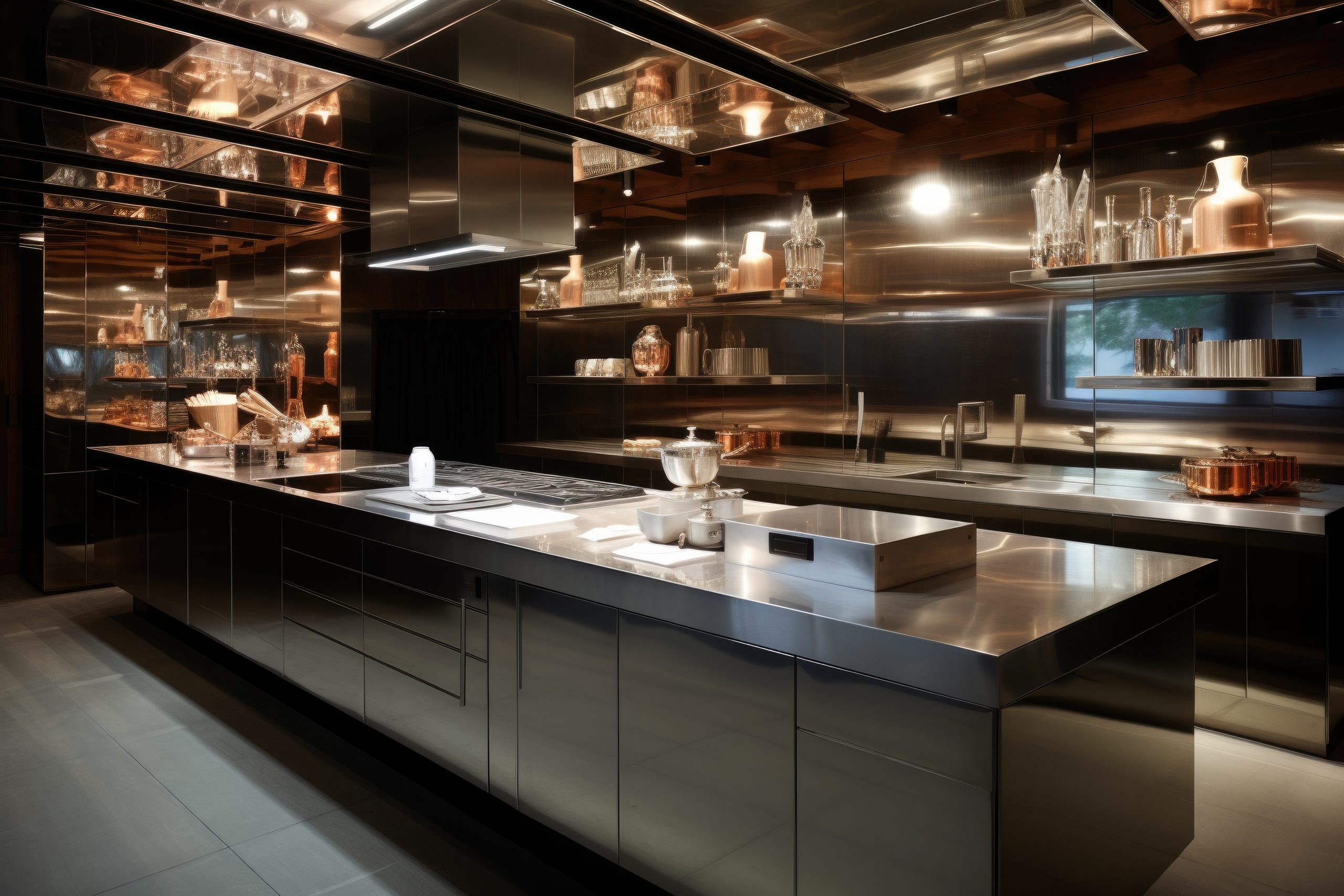
Buying second-hand commercial kitchen equipment is a strategy many Australian hospitality owners use to stretch their startup capital. In a market as competitive as Australia’s, saving $5,000 on a combi-oven or $2,000 on a dishwasher can make a significant difference to your initial cash flow. However, while the upfront savings are attractive, purchasing used gear comes with inherent risks regarding reliability, energy efficiency, and compliance.
1. The Legal Steps to Buying Second-Hand Commercial Kitchen Equipment
Before you purchase any pre-owned machinery, you must ensure it meets current Australian safety and hygiene standards. Buying an older unit that is no longer compliant can lead to heavy fines from your local council.
-
Electrical Safety: In Australia, any used electrical equipment should be “test and tagged” by a qualified technician before use.
-
Gas Compliance: Ensure gas appliances carry a valid AGA (Australian Gas Association) certification badge to meet AS/NZS 5601.1 standards.
-
Health Codes: Under Food Safety Standard 3.2.3, equipment must be made of materials that do not contaminate food and must be easy to sanitise.
2. Design and Layout for Buying Second-Hand Commercial Kitchen Equipment
When buying second-hand commercial kitchen equipment, you must ensure the dimensions and utility requirements match your existing floor plan. Older models are often bulkier or require different ventilation clearances than modern units. To ensure these “bargain” finds actually fit your space, it is wise to consult specialists in restaurant & cafe fitouts australia. They can help you determine if your pre-owned gear will integrate with your plumbing and electrical infrastructure without requiring expensive modifications.
3. Pros and Cons of Used vs. New Equipment
Deciding if buying second-hand commercial kitchen equipment is right for your venue involves weighing the immediate savings against potential downtime.
| Equipment Type | Best Bought Used? | Risk Level | Why? |
| Stainless Steel Benches | Yes | Low | Durable, easy to sanitise, no moving parts. |
| Gas Ranges/Stoves | Yes | Medium | Simple mechanics, but check for gas leaks. |
| Refrigeration | No | High | Seals and compressors wear out; high repair costs. |
| Dishwashers | Maybe | Medium | Prone to limescale buildup and pump failure. |
| Espresso Machines | No | High | Requires strict service history to ensure quality. |
4. Professional Fitouts for Buying Second-Hand Commercial Kitchen Equipment
If you choose to populate your kitchen with used gear, the construction phase must be managed with extra precision. Working with professionals who specialise in cafe fitouts australia is essential for verifying that your second-hand equipment is installed safely. They provide the expertise to:
-
Verify Utility Loads: Checking if a used oven pulls more amperage than your switchboard can handle.
-
Custom Stainless Integration: Fabricating gaps to fit non-standard sized second-hand appliances.
-
Compliance Checks: Ensuring older exhaust hoods meet current Australian fire safety codes.
5. Sourcing and Inspecting Your Gear
To minimise the risk when buying second-hand commercial kitchen equipment, you should follow a strict inspection process.
-
Request Service Records: Just like a car, a well-maintained oven should have a history of professional servicing.
-
Check for “Dent and Scratch” Deals: These are often new items with minor cosmetic damage that carry a full manufacturer’s warranty at a used price.
-
Buy from Reputable Dealers: Auction sites can be risky; certified used equipment dealers often provide a 3-month parts and labour warranty for peace of mind.
Frequently Asked Questions (FAQ)
1. Does second-hand kitchen equipment come with a warranty in Australia?
If buying from a private seller or at auction, typically no. However, reputable Australian refurbished equipment dealers often provide a limited 3-month warranty. Always check the terms before paying.
2. How can I tell if a used appliance is energy efficient?
Older equipment is generally less efficient than modern “Green” models. Check the energy star rating (if available) or look up the model number online to compare its hourly consumption against newer versions.
3. What is the biggest risk of buying used gear?
The “hidden cost” of repairs. If a second-hand fridge fails during a busy weekend, the cost of spoiled stock and emergency call-out fees for a technician can quickly exceed the savings you made at purchase.
