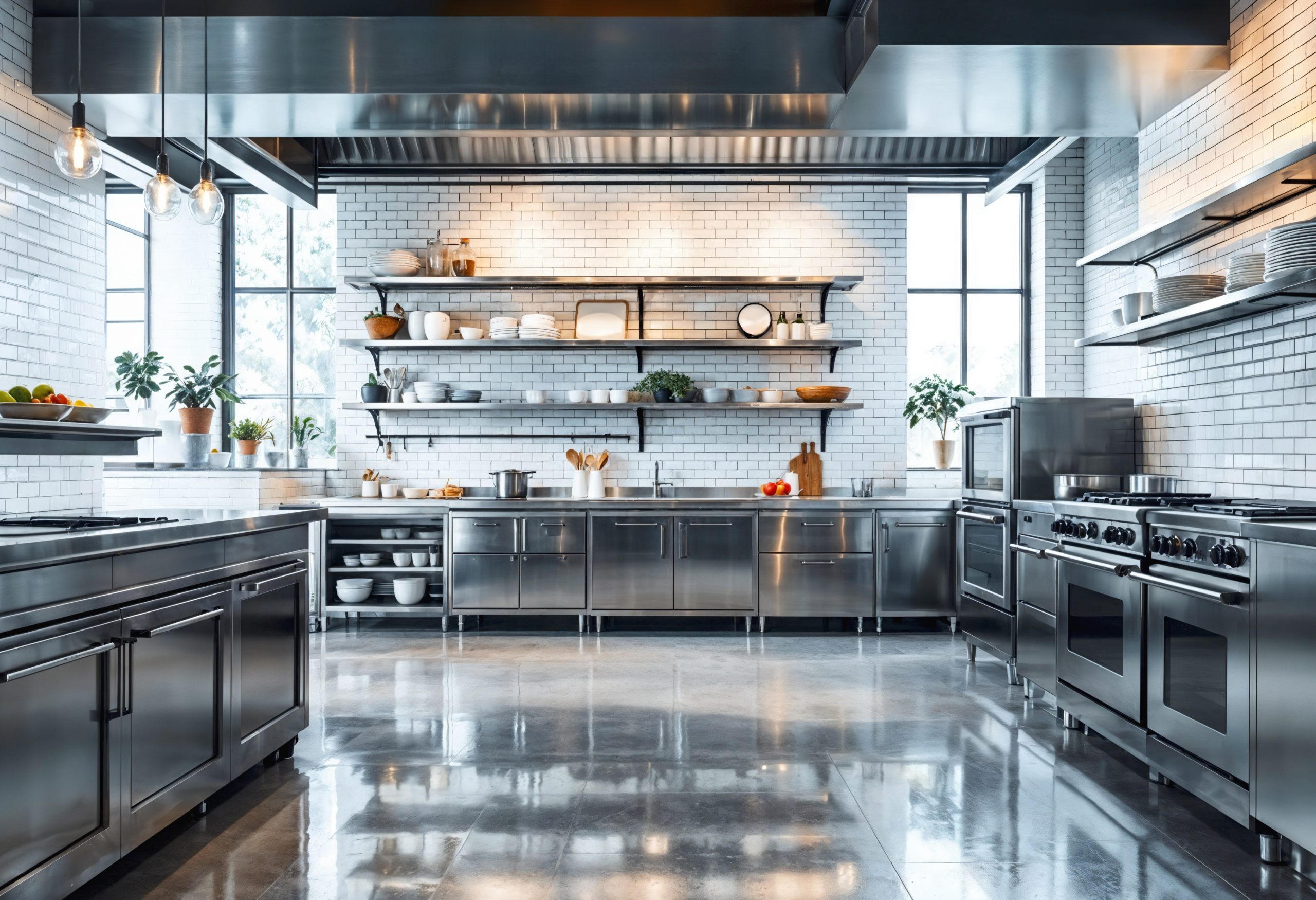
Creating a commercial floor plan for maximum efficiency is the backbone of any successful hospitality venture. In the fast-paced Australian food scene, even a thirty-second delay in a dish reaching a table can impact customer satisfaction and your bottom line. A well-thought-out layout doesn’t just look good; it minimises physical strain on staff, reduces accidents, and ensures a seamless flow from the prep station to the pass.
1. The Legal Steps to Designing a Commercial Floor Plan for Maximum Efficiency
Before you start placing equipment, you must ensure your floor plan is legally sound. Australia has strict food safety and building standards that dictate how a kitchen must be structured.
-
Food Safety Standards: Your layout must prevent food contamination by separating raw and cooked food zones.
-
Disability Access: Your plan must include compliant access for all staff and customers.
-
Ventilation & Exhaust: Commercial kitchens in Australia must meet specific airflow requirements to manage heat and smoke.
2. Design and Layout for a Commercial Floor Plan for Maximum Efficiency
In the Australian market, space is often at a premium. A poorly designed layout can lead to slow service and unhappy customers. To ensure your kitchen is both beautiful and functional, it is wise to consult specialists in restaurant & cafe fitouts australia. They ensure your shop meets Australian building codes while creating a logical flow that prevents staff from colliding during a busy lunch rush.
3. Estimated Space Allocation Overview
Budgeting your space is just as important as budgeting your money. Below is a rough estimate of how a commercial floor plan for maximum efficiency should be divided:
| Area Category | Space Allocation (%) | Priority Level |
| Dining & Seating | 60% | Critical |
| Kitchen & Prep | 25% | High |
| Storage & Cold Room | 10% | High |
| BOH (Office/Toilets) | 5% | Medium |
4. Professional Fitouts for a Commercial Floor Plan for Maximum Efficiency
Once you have defined your workflow, the physical transformation begins. Working with professionals who specialise in cafe fitouts australia is essential to avoid costly mistakes. They will help you implement the “Golden Triangle” of kitchen design—the relationship between storage, preparation, and cooking. They manage:
-
Ergonomic Bench Heights: Reducing staff fatigue during long shifts.
-
Smart Drainage: Ensuring easy cleaning and compliance with local council grease trap regulations.
-
Strategic Lighting: Brightening prep areas to ensure precision and safety.
5. Sourcing Your Equipment & Tech
A commercial floor plan for maximum efficiency is only as good as the technology within it.
-
Smart POS Placement: Ensure your Point of Sale system is accessible without blocking the flow of waiters.
-
KDS Integration: Use Kitchen Display Systems to eliminate paper tickets and reduce communication errors.
-
Modular Equipment: Consider benches on wheels to allow for easy cleaning and future layout adjustments.
Frequently Asked Questions (FAQ)
1. Why is a commercial floor plan for maximum efficiency so important?
A good floor plan reduces labour costs by allowing fewer staff to accomplish more tasks. It also improves safety by reducing the risk of spills, burns, and collisions in tight spaces.
2. Should I choose an open or closed kitchen layout?
Open kitchens are great for “theatre,” but they require a layout that prioritises noise reduction. Closed kitchens allow for more storage and less pressure on visual tidiness during peak hours.
3. What is the most common mistake in kitchen design?
Underestimating the amount of space needed for “plating and pickup.” If the pass is too small, food sits and gets cold while waiters struggle to find space for their trays.
